Conocimiento
Dextrose for Not Eating: Good Solution or Just a Band-Aid?
What Actually Happens When You Don’t Eat
Skipping meals means your body searches for backup fuel. Glycogen supplies last a while, but sooner or later energy levels start to drop. The result: low blood sugar, headaches, mood swings, and sometimes feeling so weak that thinking straight gets tough. Regular food keeps all those unpleasant symptoms at bay by offering slow, steady nourishment. Tossing back some quick sugar may bring temporary comfort, but it’s no substitute for a balanced meal.
Why Dextrose Gets Used in These Moments
Dextrose, a simple sugar identical to the glucose found in your blood, hits the bloodstream fast. Diabetics often carry tablets or gels to stave off hypoglycemia, and in a pinch, paramedics use IV dextrose to revive someone who’s crashed. Grocery store shelves stack packets marketed for exercise recovery, not everyday hunger. I once worked at a summer camp where kids with low blood sugar kept dextrose tabs handy. Popping one brought their color back quickly after an afternoon of missed snacks. The catch? Twenty minutes later, most wanted a sandwich.
Temporary Fix, Not a Nutrition Strategy
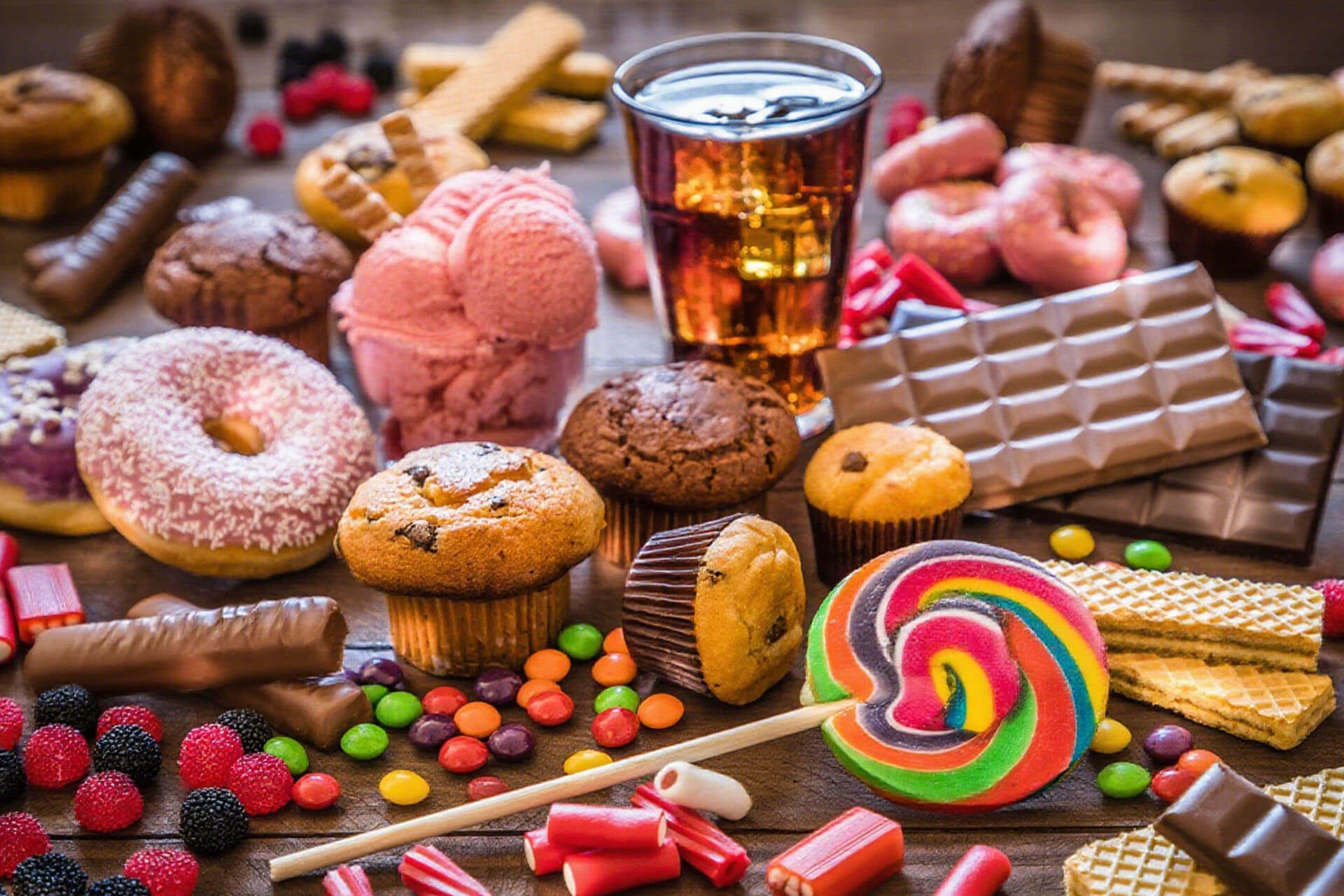
Sustained lack of food turns the promise of sugar into a short-lived patch. Dextrose raises blood sugar almost instantly, but that spike fades quickly. Hunger comes roaring back. The body’s other needs—protein, fat, vitamins, minerals—stay unmet. Feeling lightheaded can go away, only for exhaustion and crankiness to settle in soon after. Anybody who’s tried to get through a busy day on candy, sweet drinks, or dextrose knows that rollercoaster. It never ends well.
Medical Settings Are Different
Hospitals rely on dextrose for a reason. Sometimes, medicine or an illness forces someone to go without food. In these moments, dextrose through an IV keeps energy flowing to critical organs. Medical teams monitor the patient, watching for swings in fluid balance or blood sugar. This isn’t a do-it-yourself trick—years of training go into those protocols. Using dextrose at home for someone skipping meals carries risks, especially with underlying health conditions.
Reliable Fuel Comes From Real Food
My grandma always had crackers in her pocket for days spent running errands. She’d share a few if someone felt woozy. There’s a lesson there: quick fixes like sugar might clear the fog, but the real answer means eating actual meals whenever possible. Even energy drinks with added dextrose can’t match the steady benefits of fruit, whole grains, or nuts. The body craves foods it can break down slowly, keeping energy steady from one meal to the next.
Better Solutions for Busy Lives
Life gets hectic. Sometimes scheduled meals fall through. Instead of relying on dextrose, packing snacks—fruit, yogurt, nuts, or a sandwich—takes a little planning but pays off all day long. Food banks and community kitchens help fill the gap for people who miss meals due to budget limits. In workplaces and schools, policies that prioritize access to real food beat strategies built around rescue sugars. Health comes from routine, variety, and choosing foods that last beyond a few sweet minutes. Dextrose serves a purpose in emergencies, but it will never replace the basics for living well.