Conocimiento
A Straight Talk About Aspartame-Free Sweeteners
Changing What’s in Your Cup
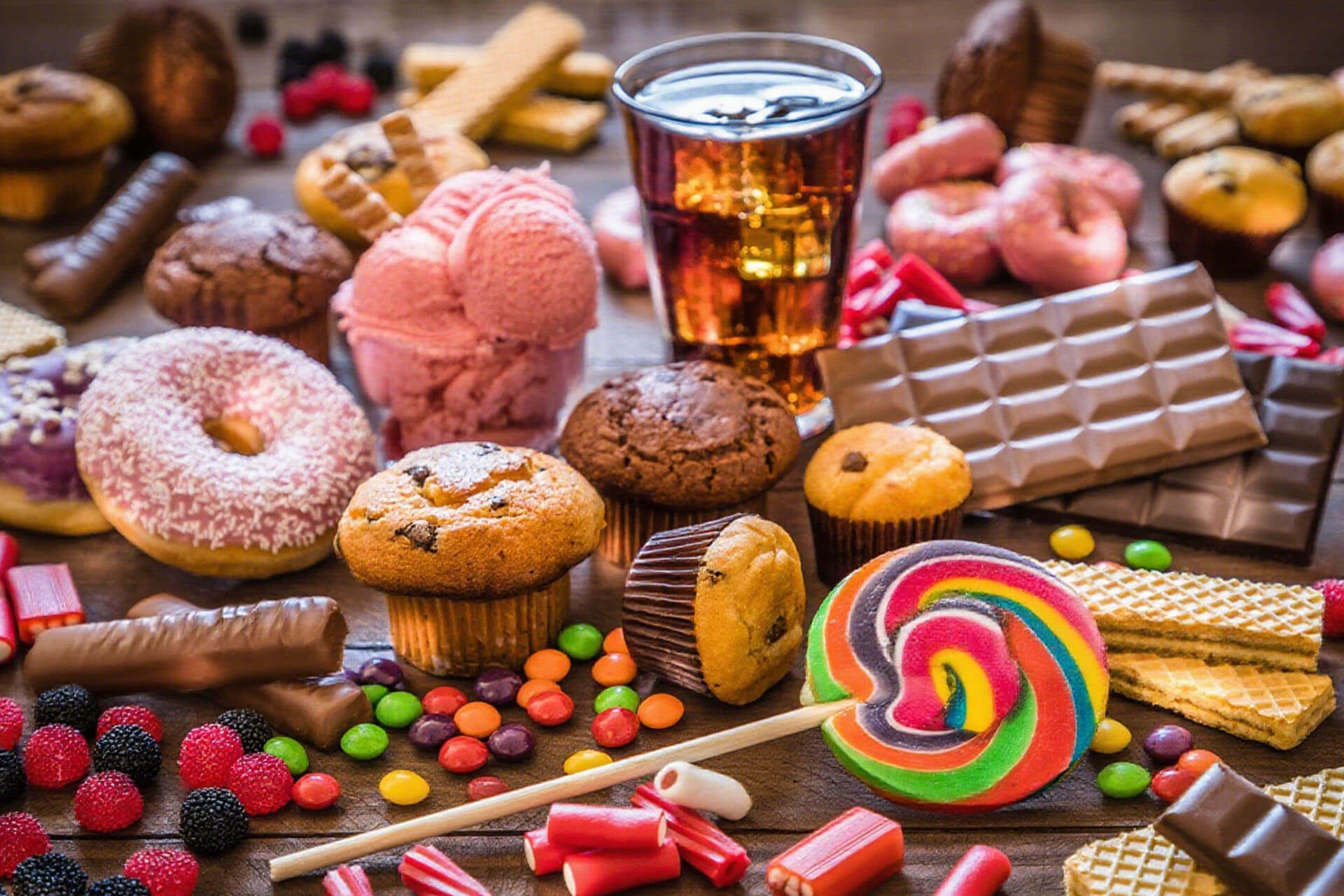
A lot of folks have grown up with sweeteners labeled “diet” or “zero sugar.” Walk down any grocery aisle, and soda cans, yogurts, candy, and even protein bars are filled with stuff that claims to cut down on calories. Aspartame pops up everywhere — in packets on diner tables, in the low-cal pops in your fridge. Yet, more people are steering clear, checking labels, and saying, “Give me something without aspartame.” The switch from aspartame hasn’t come out of nowhere. There’s a real reason why companies are rethinking what sweetens their food.
The Question Around Aspartame
Aspartame has been around for decades, with the FDA giving it the green light more than 40 years ago. Most scientists have said it’s safe in reasonable amounts. But last year, the International Agency for Research on Cancer listed aspartame as ‘possibly carcinogenic.’ That caused a storm, even though the dose needed for risk stayed much higher than what most people ever drink. This isn’t the first time a common food ingredient faced scrutiny. A long list of products once considered must-haves are now out of favor. Remember trans fats? That’s how things change—science moves, and public opinion follows.
Taste Matters, So Does Trust
Health can’t happen unless people believe in what they’re eating. Once doubts take root, the market answers fast. Companies started rolling out drinks labeled “aspartame-free” to win back trust. Some swapped to sucralose or stevia. Sucralose comes from sugar, but it’s made in a lab. Stevia comes from a tropical leaf. They each bring their own flavor quirks. Anyone who’s tried diet soda sweetened with stevia knows it tastes slightly different. Still, the shift is clear: people want less confusion in their food, and aspartame’s reputation has gotten messy.
Public Concerns Push Change
The internet puts every new study under a microscope. Food safety isn’t just about laws anymore. It’s about transparency. One study, even a cautious one, sparks thousands of Facebook threads. People want assurance, backed by updated science. Research still says aspartame is safe in the real world, but perception shapes sales far more than data. The call for “aspartame-free” food and drinks comes from both serious label watchers and the average shopper glancing over cans in the checkout line.
Looking for Answers, Not Panic
Demand for aspartame-free sweeteners sends the whole food industry back to the drawing board. The search involves natural sources like monk fruit and allulose. Monk fruit has no calories and no spikes in blood sugar—that’s a win for folks watching their health. Allulose offers a sugar-like taste with almost no calories. The rollout happens first in smaller brands, filtering up to giant companies as the public warms up to these new names.
Making Sense of the Shift
Not every sweetener fits every body the same way. Some cause stomach aches. Others seem too bitter to real sugar fans. It pays to read the label, ask questions, and watch for studies from trusted sources. Food inspiration changes with science, but the drive for clear, understandable options comes from everyone who cares about what’s on their plate. The trend toward aspartame-free sweeteners isn’t going anywhere. Paying attention to science, clear labeling, and honest feedback will keep improving the choices lining our shelves. That’s what people want: real answers, real sweetness, none of the drama.